5 Ways to Choose Used Auto Parts
Used auto parts are inspected, previously fitted components recovered from vehicles, and sold as affordable replacements. They can include engines, doors, lights, wheels, interior trim, transmissions, and truck parts. The best choice matches your vehicle’s exact specifications, comes from a reputable salvage yard, and has a clearly explained condition or warranty.
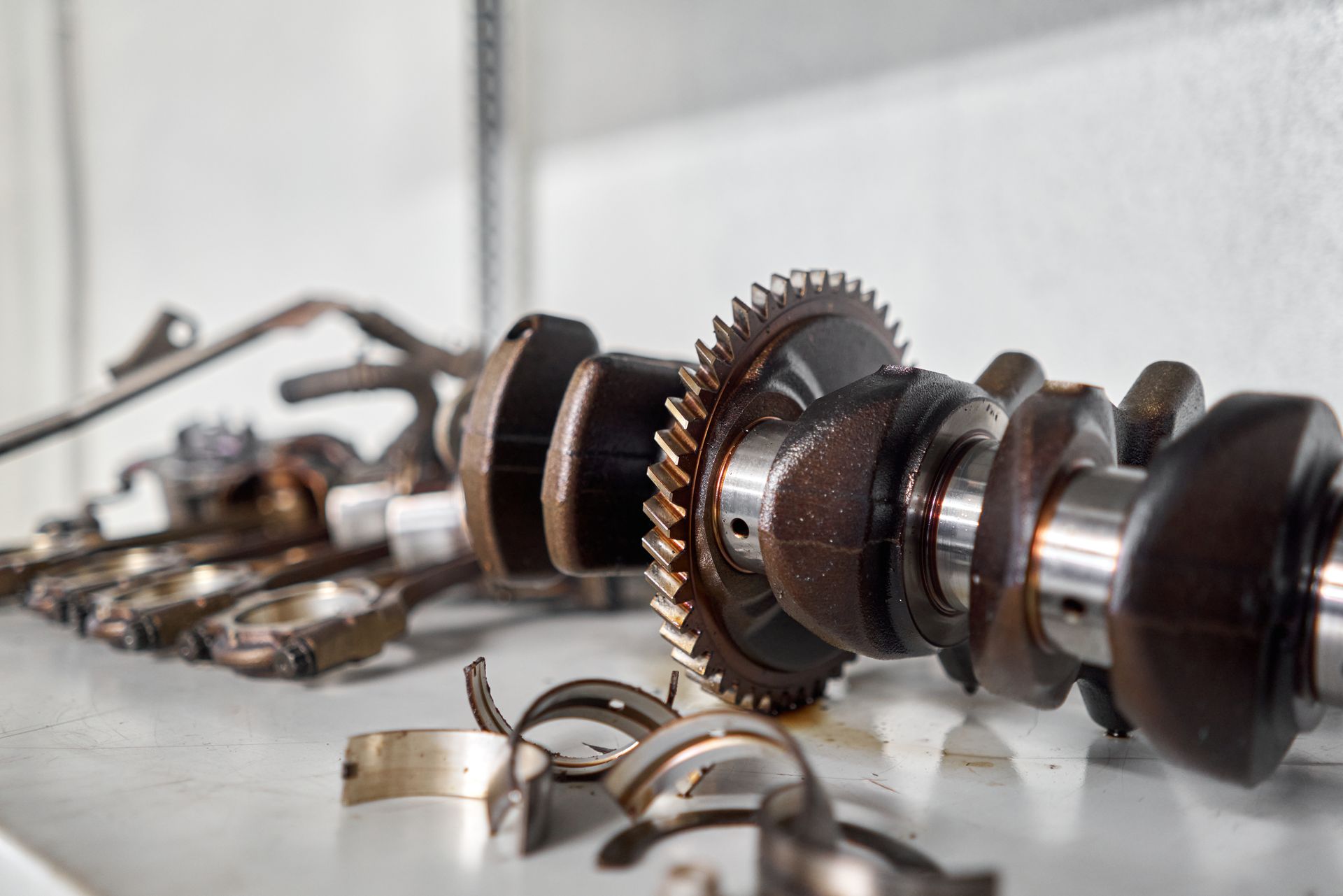
Why choose used auto parts?
Used parts can make a necessary repair considerably more affordable than buying new. They are also a practical way to find discontinued, original-equipment components that may fit better than lower-cost aftermarket alternatives.
Common benefits include:
- Lower purchase and repair costs
- Original parts from the same vehicle model
- More choice for older or discontinued vehicles
- Reduced waste through vehicle recycling
- Convenient access to used car and truck parts
For an overview of available components, explore our Used Auto and Truck Parts service.
How do you choose the right used auto parts?
Follow these five checks before buying:
- Confirm the exact vehicle details. Have the make, model, year, engine size, trim level, and drivetrain ready. A vehicle identification number (VIN) is often the most reliable way to confirm compatibility.
- Match the part number. Compare the number stamped or printed on your existing component with the replacement part. This is especially important for electronic modules, sensors, and transmissions.
- Ask about condition. Find out whether the part was tested, cleaned, inspected, or sold as-is. Request details about mileage where relevant, such as for an engine or gearbox.
- Inspect visible wear. Check connectors, mounting points, seals, glass, paint, and moving parts. Avoid components with unexplained cracks, severe corrosion, or impact damage.
- Clarify returns and warranty cover. A short warranty or return policy can provide useful protection if the part does not work or fit as expected.
Which used car parts offer the best value?
The best value depends on the part and its condition. Body panels, doors, mirrors, wheels, seats and trim are often good candidates because their condition can be assessed visually. Engines, transmissions, and electrical parts require more careful testing and documentation.
Ask whether the component is:
- Tested and verified before sale
- Complete with necessary brackets or fittings
- Compatible with your exact vehicle
- Available with a warranty or return option
For damaged vehicles, our Auto Body Shop page can help you consider repair options alongside replacement parts.
Buying checklist
Before collecting or installing a part, confirm:
- Vehicle make, model, year, and VIN
- Part name and identification number
- Condition, mileage, and test information
- Price, collection details, and delivery options
- Warranty, returns, and installation requirements
A professional mechanic can also check compatibility before you pay, particularly for safety-critical components such as braking, steering and suspension parts.
Where can you find reliable used auto parts locally?
A local salvage yard can help you compare available components, ask fitment questions, and arrange collection without waiting for a distant supplier. Choose a business that communicates clearly, describes parts honestly, and understands the vehicles it handles.
You can learn more about our Salvage Yard , or Contact us to ask about a specific used car or truck part. If your vehicle is no longer repairable, Junk Car Removal may also be an option.
Final takeaways
Used auto parts are a cost-effective choice when the component is correctly matched, properly inspected, and backed by clear terms. Start with your vehicle details and VIN, then compare the part number, condition, testing information, and warranty. Visual components are often straightforward to assess, while engines, transmissions, and electronics need extra care. Before buying, ask a reputable local salvage yard for fitment confirmation and installation advice. That simple process can reduce repair costs, prevent delays, and help you choose a dependable replacement with confidence.